2 factors linked to higher risk of death for lung sarcoidosis patients in study
Age, lung damage are strongest predictors of mortality within 5 years
Written by |
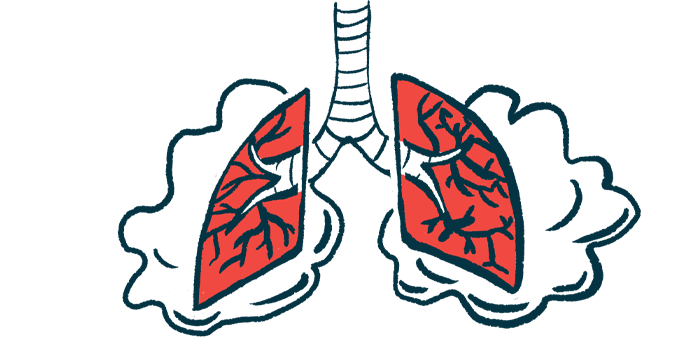




People with pulmonary sarcoidosis who are older at diagnosis or have more severe lung damage may face a higher risk of death.
That’s according to a large study from Spain, in which researchers found that being older than 50 and having a Composite Physiological Index (CPI) score above 35 — indicating more advanced lung impairment — were the strongest predictors of death within five years. Importantly, however, the team noted that “five-year mortality was low.”
Further studies are needed to confirm these results, the scientists noted, Still the findings “could facilitate earlier identification of high-risk patients,” who may benefit from closer monitoring and more tailored care.
“To predict mortality in routine clinical practice is challenging, thus, it is imperative to identify predictors of mortality in pulmonary sarcoidosis to guide therapy and management effectively,” the team wrote.
The study, “Mortality predictors in pulmonary sarcoidosis: results from the Spanish cohort SARCO-I,” was published in the journal Respiratory Medicine.
Sarcoidosis is an inflammatory disease marked by the formation of granulomas, or clusters of inflammatory cells, in different tissues and organs. The lungs are most commonly involved, a condition then known as pulmonary sarcoidosis.
The course of the disease can vary widely, clinicians have noted. Many patients experience mild symptoms or even spontaneous remission, but others develop a slowly progressive condition with persistent inflammation that can cause tissue damage and scarring, or fibrosis, over time. In those with pulmonary sarcoidosis, this can make lung tissue thicker and stiffer, making it harder to breathe.
Investigating the risk of death for people with pulmonary sarcoidosis
Previous studies have reported conflicting results on whether individuals with sarcoidosis face a higher risk of death than the general population. Although overall mortality is generally considered low, deaths have often been linked to worsening lung function, the presence of fibrosis, and other lung-related complications.
In line with these observations, measures of lung damage have been proposed as tools to help predict patients outcomes. These include the CPI, which was originally developed to estimate the extent of lung scarring in people with idiopathic pulmonary fibrosis, a disease marked by lung fibrosis.
However, even though “early recognition of high-risk patients is essential for timely intervention,” the researchers wrote, “evidence regarding independent predictors of mortality in pulmonary sarcoidosis remains limited.”
To address this gap, a team of researchers in Spain conducted a retrospective study dubbed SARCO-I, fully, the Epidemiological study of the current state of thoracic sarcoidosis in Spain. The study, coordinated by Hospital Clínic of Barcelona, involved 765 sarcoidosis patients with lung involvement who were enrolled at 13 hospitals across the country.
The researchers analyzed the patients’ clinical and laboratory data, as well as imaging scans and lung function tests. They also assessed CPI and tracked how patients’ lung disease changed over time using established criteria for progressive lung fibrosis.
[While] early recognition of high-risk patients is essential for timely intervention, … evidence regarding independent predictors of mortality in pulmonary sarcoidosis remains limited.
Slightly more than half of the patients were women and the average age at diagnosis was 47.7 years. Based on imaging findings at diagnosis, the largest proportion of patients had moderate lung disease (47%). Involvement of organs beyond the lungs was reported in 60% of participants: This most commonly was the skin, affecting 27%, and the lymph nodes, a type of immune structure, in 16%).
Over five years of follow-up, 43 patients (5.6%) died.

Study finds better threshhold value on test of lung damage
The researchers then examined which factors were linked to a higher risk of death. After adjusting for age and sex, two factors stood out as independent predictors of death from any cause within five years. One was an age older than 50 at diagnosis, while the other was a CPI higher than 35, indicating more severe lung impairment.
The team noted that this CPI threshold performed better than the traditionally used cutoff of 40 in predicting outcomes.
“These findings suggest that a lower CPI threshold may capture clinically relevant impairment at an earlier stage of disease,” the team wrote, urging its consideration for future use.
“From a clinical standpoint, the adoption of a CPI [greater than] 35 threshold could facilitate earlier identification of high-risk patients, potentially informing closer surveillance or more intensive therapeutic strategies,” the scientists wrote.
In contrast, factors previously linked to worse outcomes in lung disease were not independently associated with death risk in this study. These included declines in lung function and radiological progression of fibrosis over the first year.
These findings “may contribute to future risk-stratification strategies in pulmonary sarcoidosis,” although further studies, following patients over time, are needed to confirm these results, the researchers wrote.